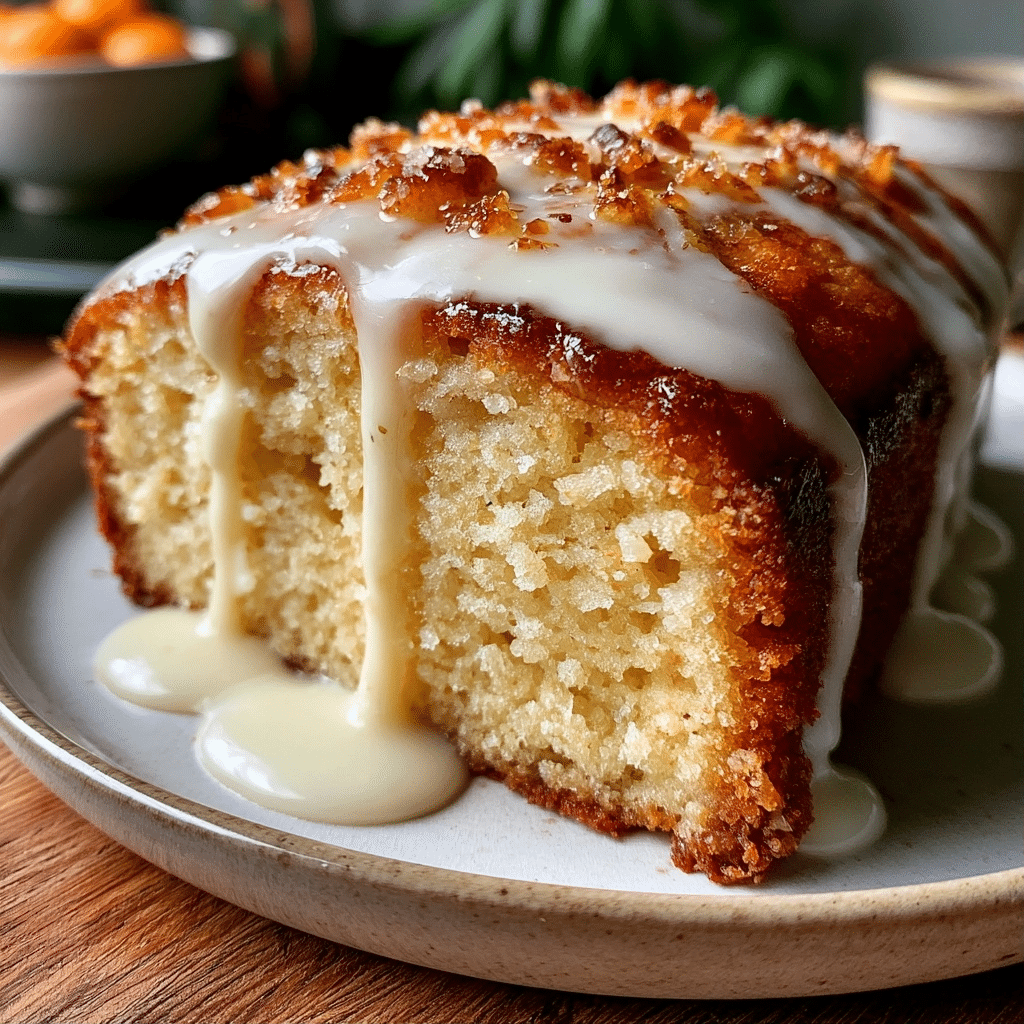
This Vanilla Cake is a classic butter-based sponge that delivers a tender crumb and rich vanilla flavor. Perfect for birthdays, layer cakes, or simply as a teatime treat, it is a straightforward recipe that yields consistently excellent results every time.
| Prep Time | Cook Time | Total Time | Servings | Difficulty | Cuisine |
|---|---|---|---|---|---|
| 15 minutes | 30 minutes | 45 minutes | 8-10 | Easy | American |
Why This Recipe Works
I have tested countless vanilla cake recipes over the years, and this one always proves the most reliable. The creaming method builds a stable emulsion that traps air, giving the cake a light yet sturdy structure. Using room-temperature ingredients ensures the batter emulsifies properly, preventing dense or gummy results.
The combination of cake flour and all-purpose flour provides the ideal balance of tenderness and structure. Cake flour’s low protein content keeps the crumb soft, while a small amount of AP flour adds enough gluten to support the cake’s rise. Whole milk and unsalted butter contribute richness without heaviness, and pure vanilla extract (not imitation) delivers a clean, aromatic flavor.
Finally, the precise baking temperature and time guarantee an evenly browned exterior and a moist interior. This recipe works for layer cakes, cupcakes, or even sheet cakes—just adjust baking time accordingly. It is my go‑to for any celebration because it never fails to impress.
Ingredients
| Ingredient | Quantity | Notes & Alternatives |
|---|---|---|
| Unsalted butter | 1 cup (226g) | Softened to room temperature; substitute salted butter (reduce added salt to ¼ tsp) |
| Granulated sugar | 1½ cups (300g) | Can use organic cane sugar; do not reduce sugar as it affects texture |
| Large eggs | 4 | Room temperature; can use 3 extra-large eggs |
| Pure vanilla extract | 2 teaspoons | Use Madagascar vanilla for best flavor; vanilla bean paste works too |
| All-purpose flour | 2 cups (250g) | For a lighter texture, replace ½ cup with cake flour |
| Baking powder | 2½ teaspoons | Aluminum-free preferred; ensure it is fresh |
| Salt | ½ teaspoon | Fine sea salt; if using salted butter, omit or reduce to ¼ tsp |
| Whole milk | 1 cup (240 ml) | Room temperature; buttermilk adds tanginess (reduce milk to ¾ cup + ¼ cup buttermilk) |
| Vegetable oil (optional) | 2 tablespoons | Adds extra moisture; use a neutral oil like canola or grapeseed |
Step-by-Step Instructions
Preparing the Batter
- Preheat your oven to 350°F (177°C) and grease two 9-inch round cake pans. Line the bottoms with parchment rounds.
- In a large mixing bowl, beat the softened butter and sugar together on medium-high speed until light and fluffy, about 3-4 minutes. Scrape the bowl once.
- Add eggs one at a time, beating well after each addition. Mix in the vanilla extract.
- In a separate bowl, whisk together the flour, baking powder, and salt.
- With the mixer on low speed, add one-third of the flour mixture, then half of the milk. Repeat, ending with the flour. Mix just until combined—do not overmix.
- If using the optional oil, fold it in gently at the end. This step is not necessary but enhances moisture.
Baking the Cake
- Divide the batter evenly between the prepared pans. Smooth the tops with a spatula.
- Bake for 25–30 minutes, or until a toothpick inserted in the center comes out clean with a few moist crumbs. Begin checking at 25 minutes.
- Let the cakes cool in the pans for 10 minutes, then turn them out onto a wire rack to cool completely before frosting or serving.
Chef Tips for Perfect Results
- Always bring ingredients to room temperature: cold butter doesn’t cream properly, and cold milk can cause the batter to curdle. Set eggs and milk out 30 minutes before starting.
- Use a kitchen scale for measuring flour. The scoop-and-level method can yield too much flour, making the cake dry. One cup of flour should weigh 125g.
- Do not overmix the batter after adding flour. Mix on low speed only until the streaks disappear—overworking develops gluten and creates a tough crumb.
- For even baking, rotate the pans halfway through the bake time (after about 15 minutes). This ensures both layers brown uniformly.
- Use an offset spatula to level the cake domes after cooling for a professional layered look—or simply press them down gently with a piece of parchment.
- Wrap the cooled cakes tightly in plastic wrap and refrigerate for 30 minutes before frosting. Cold cakes are much easier to handle and crumb coat.
Common Mistakes to Avoid
- Mistake: Using cold ingredients – A curdled batter results. Why: Cold butter and eggs don’t emulsify with sugar, causing the batter to separate. How to fix: If you see curdling, warm the bowl slightly over a pan of warm water while whisking; better yet, always temper ingredients beforehand.
- Mistake: Overfilling the pans – Batter spills and cakes dome excessively. Why: Each pan should be no more than two-thirds full. How to fix: Use a scale to divide batter evenly, or fill to about 1.5 cm from the rim.
- Mistake: Opening the oven door too early – The cake deflates in the middle. Why: The sudden temperature drop causes the structure to collapse. How to fix: Wait until at least 20 minutes have passed before checking. Test with a toothpick only near the end.
- Mistake: Overbaking – Dry, crumbly cake. Why: Even a few extra minutes can remove moisture. How to fix: Check doneness at the minimum time; if the toothpick comes out clean, remove immediately. If not, check every 2 minutes.
- Mistake: Substituting low-fat milk – Less tender crumb and drier texture. Why: Fat in whole milk contributes to moisture and tenderness. How to fix: Stick with whole milk; if needed, add 1-2 tablespoons of melted butter to 2% milk.
Variations and Substitutions
| Ingredient | Substitution | Impact on Flavor |
|---|---|---|
| All-purpose flour | Gluten-free 1:1 baking blend (with xanthan gum) | Texture will be slightly more crumbly; taste unchanged |
| Butter | Vegan butter (e.g., Miyoko’s) or coconut oil | Coconut oil adds a subtle coconut flavor; vegan butter works if solid |
| Whole milk | Almond milk + 1 tbsp vinegar (vegan buttermilk) | Makes cake slightly less rich; add 1 tbsp extra butter for moisture |
| Eggs | Flax eggs (1 tbsp ground flax + 3 tbsp water per egg) | Denser crumb; vanilla flavor remains, but cake is less fluffy |
| Granulated sugar | Coconut sugar | Caramel-like flavor, darker color; reduces sweetness slightly |
| Vanilla extract | Vanilla bean paste or bean | More pronounced speckles and a deeper vanilla aroma |
Serving Suggestions and Pairings
This Vanilla Cake is incredibly versatile. For a classic birthday celebration, pair it with a simple buttercream frosting (vanilla or chocolate) and fresh berries. It also shines as a strawberry shortcake base—layer sliced strawberries and whipped cream between the sponges. Serve with a scoop of vanilla bean ice cream or a dollop of lightly sweetened mascarpone.
Hosting a brunch? Cut the cake into cubes and serve alongside a fruit salad and a hot cup of earl grey tea. For an elegant dinner party, drizzle each slice with a raspberry coulis and top with edible flowers. The cake’s neutral flavor allows it to adapt to any occasion, from a children’s party to a wedding shower.
Storage and Reheating
| Method | Duration | Instructions |
|---|---|---|
| Room temperature (frosted or unfrosted) | Up to 2 days | Store in an airtight cake container or covered with a cake dome. Keep away from direct sunlight. |
| Refrigerator (frosted with perishable fillings) | Up to 5 days | Place in a cake box or wrap layers tightly in plastic wrap. Bring to room temperature before serving for best texture. |
| Freezer (unfrosted layers) | Up to 3 months | Wrap each layer in plastic wrap, then foil. Thaw on the counter overnight before frosting and serving. |
| Reheating individual slices | 10 seconds | Microwave on high for 10–15 seconds to refresh a slice (only if unfrosted). Do not overheat. |
Nutritional Information
| Nutrient | Amount per Serving (1 slice of 10) |
|---|---|
| Calories | 365 |
| Total Fat | 20g |
| Saturated Fat | 12g |
| Cholesterol | 105mg |
| Sodium | 280mg |
| Total Carbohydrates | 48g |
| Dietary Fiber | 0g |
| Sugars | 30g |
| Protein | 5g |
Approximate values. Nutrition may vary based on frosting and specific brands used.
Frequently Asked Questions
Can I use a gluten-free flour blend to make this vanilla cake?
Yes, a 1:1 gluten-free baking blend with xanthan gum works well. Expect a slightly less tender crumb but no change in vanilla flavor. Add an extra tablespoon of milk to prevent dryness.
How do I know when my vanilla cake is fully baked?
Insert a wooden toothpick into the center of the cake. It should come out clean or with a few moist crumbs, not wet batter. The top should spring back when lightly pressed and the edges will have pulled away from the pan slightly.
Why did my vanilla cake sink in the middle?
The most common cause is underbaking or opening the oven door too early. The structure needs to set completely before being disturbed. Ensure the oven temperature is accurate and do not open the door for the first 20 minutes. If the cake still sinks, check your baking powder freshness.
Can I make this vanilla cake a day ahead?
Absolutely. Bake the layers, cool them completely, then wrap tightly in plastic wrap and store at room temperature. Frost the next day for the freshest taste. You can also freeze them for up to a month.
What is the best way to serve vanilla cake to a crowd?
For a crowd, bake the recipe in a 9×13-inch pan (increase bake time to 35-40 minutes). Slice into squares and serve with a dusting of powdered sugar and fresh fruit. This cake also makes excellent cupcakes—bake for 18-20 minutes at the same temperature.
Conclusion
This Vanilla Cake recipe delivers a moist, tender, and richly flavored sponge that suits any occasion. From its simple ingredient list to the foolproof creaming method, every step is designed to help you succeed. Whether you layer it with buttercream, serve it with fruit, or enjoy it plain, the classic vanilla flavor never disappoints. Bake this cake once, and it will become your go‑to for celebrations—its buttery, fragrant crumb is truly unforgettable.
PrintVanilla Cake Recipe: Moist, Fluffy, and Easy to Make
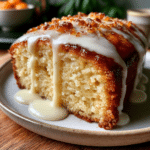
A classic American butter-based sponge cake with a tender crumb and vibrant vanilla flavor. This easy recipe yields a consistently moist and fluffy texture, perfect for layer cakes, cupcakes, or sheet cakes.
- Prep Time: 15
- Cook Time: 35
- Total Time: 50
- Yield: 8-10 servings
- Category: recipe index
- Method: Baking
- Cuisine: American
- Diet: Vegetarian
Ingredients
Unsalted butter
Granulated sugar
Large eggs
Pure vanilla extract
All-purpose flour
Baking powder
Salt
Whole milk
Vegetable oil (optional)
Instructions
Preheat your oven to 350°F (177°C)
Grease two 9-inch round cake pans
Cream butter and sugar together until light and fluffy using an electric mixer
Add eggs one at a time, beating well after each addition
Mix in vanilla extract
In a separate bowl, whisk together flour, baking powder, and salt
Gradually add the dry ingredients to the butter mixture in batches, alternating with milk, starting and ending with the dry ingredients
Mix until just combined; the batter will be thin
Evenly divide the batter into the prepared pans
Bake for 30 to 35 minutes, or until a toothpick inserted comes out clean
Allow the cakes to cool in the pans for 10 minutes before transferring to a wire rack to cool completely
Notes
Ensure all ingredients are at room temperature (especially butter and eggs) for a light texture
For a lighter crumb, substitute ½ cup all-purpose flour with cake flour
If using salted butter, reduce added salt to ¼ teaspoon
To enhance moisture, replace ¼ cup of milk with buttermilk for a tangy twist (adjust baking time as needed for cupcakes or sheet cakes)
Use aluminum-free baking powder and check if it’s fresh to maximize rise and prevent bitterness
Let the cakes cool completely before frosting to avoid melting