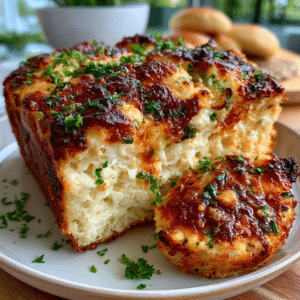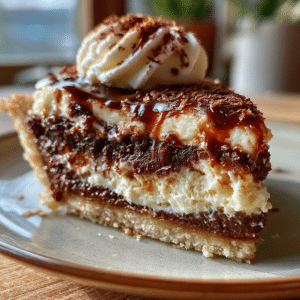
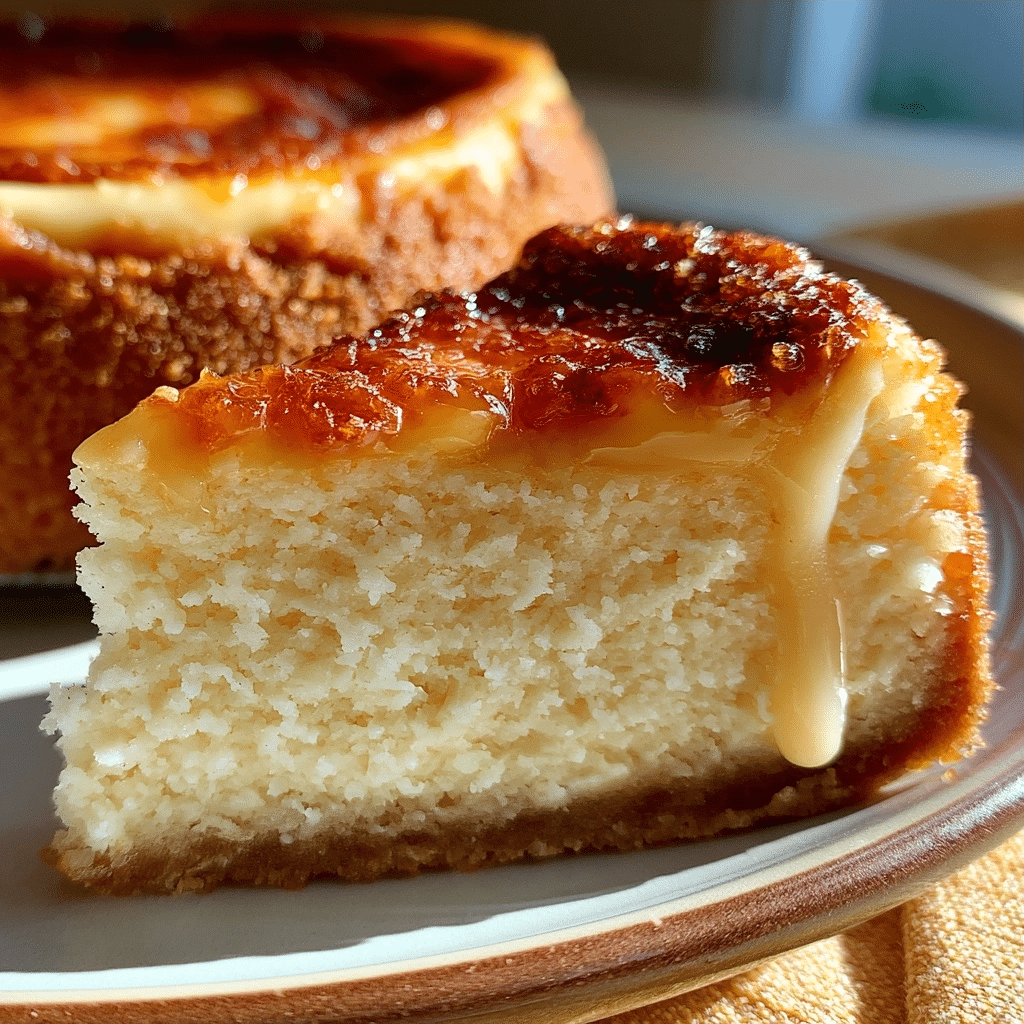
This New York cheesecake is a rich, dense, and utterly decadent dessert, celebrated for its creamy texture and tangy flavor. Unlike lighter cheesecakes, this classic version boasts a smooth, velvety consistency that melts in your mouth. It’s the quintessential American dessert, perfect for any special occasion or a delightful treat any day. Achieve baking perfection with this straightforward guide to the ultimate New York cheesecake.
| Prep Time | Cook Time | Total Time | Servings | Difficulty | Cuisine |
|---|---|---|---|---|---|
| 30 minutes | 60-75 minutes | 1 hour 30 minutes (plus chilling time) | 10-12 | Medium | American |
Why This Recipe Works
As a baker who has perfected countless cheesecakes, I can confidently say this New York cheesecake recipe hits all the right notes. The magic lies in the combination of simple, high-quality ingredients and a carefully controlled baking process. We’re using full-fat cream cheese and sour cream, which are non-negotiable for that signature dense, rich texture. The slight tang from the sour cream balances the sweetness beautifully, preventing it from becoming cloying. This recipe isn’t about fussy techniques; it’s about respecting the ingredients and the process for a truly superior result. We’ve also incorporated the classic water bath method, which is crucial for even cooking and preventing cracks, ensuring a perfectly smooth surface every time you bake it.
The simplicity of the crust is also a key factor. A classic graham cracker crust provides a perfect, slightly sweet, and crumbly base that complements the creamy filling without overpowering it. It offers a textural contrast that is essential to the New York cheesecake experience. I’ve found that many problems with cheesecake stem from overmixing the batter or baking at too high a temperature, which can lead to a tough or cracked dessert. This recipe guides you gently through each stage, emphasizing moderation in mixing and providing clear temperature guidelines to ensure your cheesecake bakes to a beautiful, golden-brown perfection. Enjoy the journey to creating a dessert that will impress even the most discerning palates.
Ingredients
| Ingredient | Quantity | Notes |
|---|---|---|
| Graham Cracker Crumbs | 1 ½ cups | About 10-12 full graham crackers. Ensure they are finely crushed. |
| Granulated Sugar (for crust) | ¼ cup | Fine granulated sugar is best for an even distribution. |
| Unsalted Butter, melted | 6 tablespoons | High-quality butter enhances flavor. |
| Cream Cheese, softened | 32 ounces (four 8-ounce packages) | Full-fat, block cream cheese is essential. Ensure it is fully softened to room temperature. Avoid whipped or low-fat versions. |
| Granulated Sugar (for filling) | 1 ½ cups | Use standard granulated sugar. Fine sugar dissolves more easily. |
| Sour Cream | 1 cup | Full-fat sour cream is critical for texture and tang. Ensure it’s at room temperature. |
| Heavy Cream | ¼ cup | Adds richness and helps create a silky smooth texture. Room temperature is ideal. |
| Vanilla Extract | 2 teaspoons | Pure vanilla extract provides the best flavor. |
| Lemon Zest | 1 teaspoon (optional) | Adds a subtle brightness and complex flavor. Use zest from one medium lemon. |
| Large Eggs | 4 | Eggs should be at room temperature for uniform incorporation. |
| Egg Yolks | 2 | Adds richness and helps achieve a denser texture. Room temperature. |
Step-by-Step Instructions
- Preheat your oven to 350°F (175°C).
- In a medium bowl, combine graham cracker crumbs, ¼ cup granulated sugar, and melted butter. Mix until thoroughly moistened.
- Press the mixture firmly and evenly into the bottom and about 1 inch up the sides of a 9-inch springform pan. Use the bottom of a glass or measuring cup to compact it.
- Bake the crust for 8-10 minutes, until lightly golden. Remove from oven and let cool completely while you prepare the filling. Reduce oven temperature to 325°F (160°C).
Prepare the Crust
- In a large bowl, beat the softened cream cheese with the remaining 1 ½ cups granulated sugar on medium-low speed until smooth and creamy. Scrape down the sides and bottom of the bowl frequently. Do not overmix or whip air into the mixture.
- Gradually add the sour cream, heavy cream, vanilla extract, and lemon zest (if using). Beat on low speed until just combined.
- Add the eggs and egg yolks one at a time, mixing on low speed after each addition just until incorporated. Continue scraping the bowl to ensure everything is evenly mixed, but do not overbeat. Overmixing can lead to over-aeration and cracking.
Make the Filling
- Wrap the outside of the springform pan tightly with heavy-duty aluminum foil. This is essential for the water bath. Use at least two layers of foil, covering the bottom and sides securely to prevent water from leaking in.
- Place the foil-wrapped springform pan into a larger roasting pan.
- Pour the cheesecake filling into the prepared crust. Smooth the top with an offset spatula.
- Carefully pour hot water into the roasting pan, surrounding the springform pan, until the water reaches about halfway up the sides of the springform pan. This is your water bath.
- Carefully transfer the roasting pan with the cheesecake into the preheated 325°F (160°C) oven.
- Bake for 60-75 minutes. The edges should be set and slightly puffed, while the center should still have a slight jiggle when gently shaken.
Bake the Cheesecake
- Turn off the oven. Crack open the oven door slightly (prop it with a wooden spoon) and leave the cheesecake inside for 1 hour. This gradual cooling prevents drastic temperature changes that can cause cracks.
- Carefully remove the springform pan from the water bath and roasting pan. Remove the aluminum foil.
- Let the cheesecake cool completely on a wire rack at room temperature.
- Once cooled, cover the cheesecake loosely with plastic wrap and refrigerate for at least 6 hours, or preferably overnight, to allow it to fully set and develop its flavor.
- Before serving, run a thin knife around the edge of the pan and carefully release the springform side.
Cool and Chill
Chef Tips for Perfect Results
- Room Temperature Ingredients: Ensure cream cheese, sour cream, heavy cream, eggs, and egg yolks are all at room temperature. This is critical for a smooth, lump-free batter that incorporates evenly. Cold ingredients will not blend properly, leading to a bumpy texture.
- Gentle Mixing: Overmixing the batter, especially after adding eggs, incorporates too much air. This airy batter is prone to cracking during baking and cooling. Mix just until ingredients are combined.
- Use a Water Bath: The water bath (bain-marie) creates a humid environment and ensures gentle, even heat distribution. This prevents the edges from overcooking while the center remains raw, and significantly reduces the risk of cracks.
- Gradual Cooling: Never remove a hot cheesecake directly from the oven to cool. The rapid temperature change is a primary cause of cracking. The hours-long cooling process inside the oven is non-negotiable for a smooth finish.
- Chill Thoroughly: Patience is key. A cheesecake needs ample chilling time—at least 6 hours but ideally overnight—to firm up completely and allow flavors to meld. Serving too early results in a soft, unset texture.
Common Mistakes to Avoid
- Mistake: Using Low-Fat or Whipped Cream Cheese.
Why: These contain more water and air, leading to a cheesecake that is soufflé-like, too soft, and doesn’t have the characteristic dense texture. - Mistake: Overmixing the Batter.
Why: Incorporates excess air, causing the cheesecake to puff up dramatically and then sink, resulting in cracks and a coarse texture. - Mistake: Skipping the Water Bath.
Why: Without a water bath, the heat is too direct and uneven, leading to rapid cooking of the edges, potential burning, and a greater chance of cracking and a dry texture. - Mistake: Rushing the Cooling Process.
Why: A sudden temperature drop shocks the cheesecake, causing the delicate structure to collapse and crack. Gradual cooling is essential for stability. - Mistake: Underbaking or Overbaking.
Why: Underbaked cheesecake will be runny and may not set. Overbaked cheesecake will be dry, rubbery, and prone to cracking. The center should have a slight jiggle.
Variations and Substitutions
| Ingredient | Substitution | Impact on Flavor |
|---|---|---|
| Graham Cracker Crust | Oreo cookie crumbs, gingersnap crumbs, or a shortbread cookie crust | Adds chocolate, spicy, or buttery notes respectively; may alter sweetness. |
| Sour Cream | Full-fat plain Greek yogurt | Slightly tangier, may result in a slightly firmer texture. Ensure it’s not flavored or sweetened. |
| Heavy Cream | Half-and-half or whole milk | Reduces richness and creaminess; may result in a slightly less dense texture. |
| Lemon Zest | Orange zest or a few drops of almond extract | Changes the citrus notes to orange or adds a distinct nutty flavor. |
| Vanilla Extract | Amaretto extract (non-alcoholic) or maple extract | Adds almond or sweet maple notes; adjust quantity as these can be potent. |
Serving Suggestions and Pairings
This classic New York cheesecake is a showstopper on its own, showcasing its pure, rich flavor. For a simple yet elegant presentation, top with a dollop of fresh, unsweetened whipped cream. A drizzle of raspberry or strawberry coulis provides a beautiful color contrast and a burst of fruity tartness. For a more indulgent experience, consider a rich chocolate ganache or a caramel sauce. This cheesecake is perfect for birthdays, holidays like Thanksgiving or Christmas, dinner parties, or any celebration that calls for a truly special dessert. It pairs wonderfully with a cup of coffee, black tea, or a light dessert wine (ensure non-alcoholic alternative if preferred).
Storage and Reheating
| Method | Duration | Instructions |
|---|---|---|
| Refrigeration | 3-5 days | Cover tightly with plastic wrap or store in an airtight container. Do not slice until ready to serve if possible, as exposed edges can dry out. |
| Freezing (Uncut) | 1-2 months | Wrap the entire chilled cheesecake securely in plastic wrap, then in aluminum foil. Freeze. Thaw slowly in the refrigerator overnight before serving. |
| Freezing (Sliced) | 1 month | Wrap individual slices tightly in plastic wrap and then foil. Place in an airtight container or freezer bag. Thaw at room temperature for 30-60 minutes. |
| Reheating (Not Recommended) | N/A | Cheesecake is best served cold or at room temperature. Reheating can alter its texture, making it soft or curdled. If absolutely necessary, a very small portion could be gently warmed in a low oven (200°F/95°C) for a few minutes, but this is generally avoided. |
Nutritional Information
Approximate values per serving (based on 12 servings):
| Nutrient | Amount per Serving |
|---|---|
| Calories | 450-550 kcal |
| Protein | 8-10 g |
| Fat | 30-40 g |
| Carbohydrates | 35-45 g |
| Fiber | 1-2 g |
| Sugar | 25-35 g |
| Sodium | 250-350 mg |
Frequently Asked Questions
Can I substitute the cream cheese in this New York cheesecake recipe?
Full-fat, block cream cheese is essential for the characteristic dense, rich texture. Using light or whipped cream cheese will result in a softer, less dense cheesecake. Stick to full-fat brick-style cream cheese for the best outcome.
How do I know when my New York cheesecake is done baking?
Your cheesecake is done when the edges are set and slightly puffed, but the center 2-3 inches still jiggle like jelly when the pan is gently shaken. It will continue to set as it cools.
Why did my New York cheesecake crack?
Cracking typically occurs due to overmixing, overbaking, or a sudden temperature change. Using a water bath, mixing gently, removing from the oven when the center still jiggles slightly, and gradual cooling are the best ways to prevent cracks.
Can I make this New York cheesecake ahead of time?
Yes, this cheesecake is designed to be made ahead. It requires at least 6 hours of chilling time, but overnight is ideal for the best flavor and texture. This allows the cheesecake to fully set.
How should I serve my classic New York cheesecake?
Serve chilled or at room temperature. A simple garnish like fresh berries, a fruit sauce, or whipped cream is classic. Ensure the cheesecake is fully set before slicing for clean cuts.
Mastering the art of New York cheesecake is incredibly rewarding. This recipe provides the framework for an exceptionally creamy, decadent dessert. Remember to use quality ingredients, follow the gentle baking and cooling process, and allow for ample chilling time. The result is a truly unforgettable, rich, and tangy slice of pure indulgence that defines the iconic New York cheesecake. Enjoy every luscious bite!
PrintNew York Cheesecake: The Ultimate Classic Recipe
Experience the ultimate classic New York cheesecake, celebrated for its rich, dense, and utterly decadent nature. This recipe delivers a creamy, velvety texture with a perfectly balanced tangy flavor that melts in your mouth. It’s the quintessential American dessert, perfect for elevating any special occasion or simply enjoying as a delightful treat.
- Prep Time: 30
- Cook Time: 75
- Total Time: 90
- Yield: 10-12 servings
- Category: recipe index
- Method: Baking
- Cuisine: American
- Diet: Vegetarian
Ingredients
1 ½ cups Graham Cracker Crumbs
¼ cup Granulated Sugar (for crust)
6 tablespoons Unsalted Butter, melted (for crust)
4 (8-ounce) packages Cream Cheese, softened
1 ½ cups Granulated Sugar (for filling)
4 tablespoons All-Purpose Flour
1 ½ teaspoons Vanilla Extract
1 teaspoon Lemon Zest
4 large Eggs
1 cup Sour Cream
Instructions
Preheat oven to 350°F (175°C).
Prepare the crust: Combine graham cracker crumbs and ¼ cup sugar in a bowl. Add melted butter and mix until well combined. Press mixture evenly into the bottom and 1 inch up the sides of a 9-inch springform pan. Bake for 10 minutes. Let cool.
Prepare the filling: In a large bowl, beat softened cream cheese until smooth. Gradually beat in 1 ½ cups sugar and flour until just combined. Stir in vanilla extract and lemon zest.
Add eggs one at a time, beating on low speed after each addition until just incorporated. Do not overmix.
Gently stir in the sour cream until the batter is smooth.
Pour the filling over the prepared crust.
Prepare a water bath: Wrap the bottom of the springform pan tightly with aluminum foil to prevent water leakage.
Place the foil-wrapped springform pan in a larger roasting pan. Pour hot water into the roasting pan to come about 1 inch up the sides of the springform pan.
Bake for 60-75 minutes, or until the edges are set and the center is still slightly jiggly.
Turn off the oven, but leave the cheesecake in the oven with the door slightly ajar for 1 hour to cool gradually.
Remove the cheesecake from the water bath and let it cool completely on a wire rack.
Once cooled, cover the cheesecake and refrigerate for at least 4 hours, or preferably overnight, before serving.
Notes
Using full-fat cream cheese and sour cream is crucial for the signature dense, rich texture.
The water bath method ensures even cooking and prevents cracks.
Do not overmix the batter, as this can lead to a tough cheesecake.
Chilling is essential for the cheesecake to set properly.
Store leftover cheesecake, covered, in the refrigerator for up to 5 days.