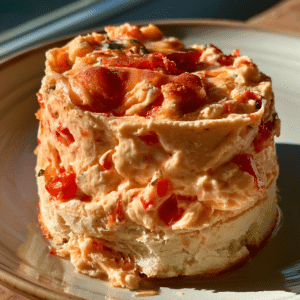

Golden Cottage Cheese Buttery Cloverleaf Dinner Rolls — Warm Tender Tear are the ultimate comfort bread, combining a rich, curd-infused dough with a flaky, buttery structure. These rolls achieve a distinctive golden crust and an exceptionally soft, tender crumb that pulls apart perfectly at every layer. Their unique shape and velvety texture make them the definitive centerpiece for any holiday table, gathering, or cozy family dinner.
Recipe Overview
| Property | Details |
|---|---|
| Prep Time | 30 minutes |
| Cook Time | 20 minutes |
| Total Time | 2 hours 30 minutes |
| Servings | 12 rolls |
| Difficulty | Intermediate |
| Cuisine | American Baking |
Why This Recipe Works
This recipe works because the addition of cottage cheese introduces a subtle tangy flavor and a high moisture content that keeps the rolls soft for days. Unlike standard milk-based doughs, the small curds break down during kneading, creating a microscopic network that prevents the gluten from becoming too tough, resulting in a “warm tender tear” effect.
I have spent years perfecting this ratio to ensure the cloverleaf shape remains distinct without sacrificing the pillowy center. The buttery coating applied before and after baking acts as a flavor multiplier, ensuring that every bite is rich, aromatic, and perfectly golden brown.
Ingredients
| Ingredient | Quantity | Notes/Alternatives |
|---|---|---|
| All-Purpose Flour | 4 cups | Use bread flour for more chew |
| Cottage Cheese | 1 cup | Full-fat version is essential |
| Warm Water | 1/2 cup | 110°F is ideal for yeast |
| Instant Yeast | 2 1/4 tsp | One standard packet |
| Granulated Sugar | 1/4 cup | Honey works as a substitute |
| Unsalted Butter | 6 tbsp | Melted, divided |
| Salt | 1 tsp | Fine sea salt preferred |
| Large Egg | 1 | Room temperature |
Step-by-Step Instructions
Preparing the Dough
- Whisk the warm water, sugar, and yeast in a small bowl until the yeast dissolves and begins to bubble.
- Blend the cottage cheese in a food processor until smooth to remove large curds for a refined texture.
- Combine the flour and salt in a large mixing bowl, then create a well in the center for the wet ingredients.
- Mix the cottage cheese, egg, 4 tablespoons of melted butter, and the yeast mixture into the flour until a shaggy dough forms.
Kneading and Rising
- Knead the dough on a lightly floured surface for 8 minutes until it becomes smooth and elastic.
- Place the dough in a greased bowl, cover with a damp cloth, and let it rise in a warm spot for 60 minutes.
Shaping and Baking
- Punch down the dough and divide it into 36 equal-sized small balls.
- Place three balls into each cavity of a greased muffin tin to create the classic cloverleaf shape.
- Brush the tops with the remaining melted butter and cover for a final 30-minute rise.
- Bake at 375°F (190°C) for 18-20 minutes until the rolls reach a deep golden brown color.
Chef Tips for Perfect Results
- Use full-fat cottage cheese to provide the necessary richness that prevents the rolls from drying out.
- Always ensure your water temperature is between 105°F and 115°F to activate the yeast without killing it.
- Apply the butter glaze immediately upon removing the rolls from the oven for a professional, glossy finish.
- Perform a “poke test” during the final rise to ensure the rolls are airy enough before hitting the oven.
- Weigh your flour using a digital kitchen scale for the most consistent texture every time.
Common Mistakes to Avoid
Over-flouring the dough is a common mistake that leads to dense, dry rolls; only add flour until the dough stops sticking to your hands. If the rolls are too dense, check your yeast expiration date and ensure your rising environment is draft-free. Failing to shape the balls tightly enough will cause them to lose their defined cloverleaf structure during the oven spring. Finally, do not rush the second rise, as this is vital for the light, “warm tender tear” characteristic that defines this recipe.
Variations and Substitutions
| Ingredient | Substitution | Impact on Flavor |
|---|---|---|
| Cottage Cheese | Greek Yogurt | Adds more tang, slightly less richness |
| Sugar | Maple Syrup | Deep, caramel-like undertones |
| Butter | Ghee | Higher smoke point and nuttier profile |
Serving Suggestions and Pairings
Serve these rolls warm alongside a hearty vegetable soup or a slow-cooked lentil stew for the ultimate comfort meal. They are an essential side for holiday gatherings like Thanksgiving, paired perfectly with roasted root vegetables or cranberry chutney. For breakfast, slice them horizontally and serve with fruit preserves or a side of scrambled eggs.
Storage and Reheating
| Method | Duration | Instructions |
|---|---|---|
| Countertop | 2 days | Store in an airtight container or bread bag |
| Freezer | 1 month | Wrap tightly in plastic and foil |
| Reheat | 5 minutes | Warm in a 350°F oven for 5 minutes |
Nutritional Information
| Nutrient | Amount per Serving (Approximate) |
|---|---|
| Calories | 185 kcal |
| Protein | 6g |
| Fat | 7g |
| Carbohydrates | 24g |
Frequently Asked Questions
Can I substitute cottage cheese with ricotta?
Yes, you can substitute cottage cheese with whole-milk ricotta if you prefer a smoother dough. Ricotta provides a similar moisture content and richness, resulting in a slightly more delicate crumb structure.
How do I know when the rolls are perfectly done?
The rolls are perfectly done when they reach an internal temperature of 190°F and exhibit a deep, uniform golden brown color. You can also tap the top of a roll; it should sound hollow if fully baked.
What is the secret to getting the perfect tear?
The secret to achieving the perfect tear is the proper shaping of the cloverleaf sections with enough butter between them. Brushing melted butter between the three dough balls acts as a barrier that allows them to separate easily after baking.
Can I make these rolls ahead of time?
You can make these rolls ahead of time by refrigerating the shaped dough overnight after the first rise. Bring the rolls to room temperature and complete the final rise before baking the next morning.
Why did my rolls lose their shape?
Rolls lose their shape primarily due to over-proofing or using too much flour in the initial dough mix. Ensure the dough is soft and pliable, and avoid letting the final rise extend beyond the point where the dough springs back slowly when poked.
Golden Cottage Cheese Buttery Cloverleaf Dinner Rolls — Warm Tender Tear are a testament to the beauty of simple, high-quality ingredients. By mastering the balance of moisture and patience in your proofing, you will guarantee a bakery-quality result every time. Treat your family to these indulgent, buttery treasures during your next special dinner, and enjoy that incomparable soft tear in every single bite.
PrintGolden Cottage Cheese Buttery Cloverleaf Dinner Rolls

These Golden Cottage Cheese Buttery Cloverleaf Dinner Rolls are the ultimate comfort bread. By incorporating creamy cottage cheese into the dough, these rolls achieve an incredibly soft, tender crumb and a delicate tang that keeps them fresh for days. Each roll is shaped into a classic cloverleaf, brushed with golden melted butter, and baked to perfection. They are the ideal centerpiece for holiday tables, gatherings, or a cozy family dinner, offering a luxurious, pillowy texture that pulls apart beautifully with every warm bite.
- Prep Time: 30
- Cook Time: 20
- Total Time: 150
- Yield: 12 rolls
- Category: recipe index
- Method: Baking
- Cuisine: American
- Diet: Vegetarian
Ingredients
4 cups all-purpose flour
1 cup full-fat cottage cheese
1/2 cup warm water (110°F)
2 1/4 tsp instant yeast
1/4 cup granulated sugar
6 tbsp unsalted butter (melted and divided)
1 tsp fine sea salt
1 large egg (room temperature)
Instructions
Whisk warm water, sugar, and yeast in a small bowl until it begins to bubble.
Blend cottage cheese in a food processor until completely smooth.
Combine flour and salt in a large bowl and create a well in the center.
Add the blended cottage cheese, egg, 4 tbsp of melted butter, and the yeast mixture to the flour well.
Mix until a shaggy dough forms.
Knead the dough on a lightly floured surface for 8 minutes until smooth and elastic.
Place dough in a greased bowl, cover, and let rise in a warm spot for 1 hour or until doubled in size.
Divide dough into 36 equal pieces and roll into smooth balls.
Place three balls into each cup of a greased muffin tin to form the cloverleaf shape.
Cover and let rise for 30 minutes.
Preheat oven to 375°F.
Brush the tops with the remaining 2 tbsp of melted butter.
Bake for 20 minutes until golden brown and hollow-sounding when tapped.
Notes
Ensure the cottage cheese is blended until smooth for the best texture. If you prefer a chewier roll, substitute bread flour for all-purpose flour. Store in an airtight container at room temperature for up to 3 days.